Nutrition guide for seniors: Trusted Tips & Advice, Unlock optimal health with our senior nutrition guide. Discover essential dietary strategies designed to support vitality along with well-being during your golden years, empowering you to live a healthier, more fulfilling life.
Nutrition guide for seniors: The Foundation of Healthy Aging
Maintaining good nutrition is paramount for seniors. As we age, our bodies undergo significant changes, impacting nutrient absorption, metabolism, along with overall physiological function. Therefore, adhering to a comprehensive nutrition guide for seniors is not just about eating; it’s about proactively managing health along with enhancing quality of life. A well-balanced diet can significantly minimize the risk of chronic diseases, advance cognitive function, boost energy levels, along with support overall independence. Ignoring nutritional needs can lead to weakened immune systems, increased susceptibility to illness, along with a decline in physical along with mental well-being.
Understanding the Changing Nutritional Needs of Seniors
One of the first steps in creating an effective nutrition plan is recognizing the specific nutritional requirements of older adults. Calorie needs typically decrease due to reduced physical operation along with slower metabolism. However, the need for certain nutrients, such as protein, calcium, vitamin D, vitamin B12, along with fiber, often increases. Protein is essential for maintaining muscle mass, which naturally declines with age. Calcium along with vitamin D are crucial for bone health, preventing osteoporosis along with fractures. Vitamin B12 absorption can decrease, requiring supplementation. Fiber aids digestion along with helps regulate blood sugar levels.
Crafting a Healthy Eating Plan for the Elderly
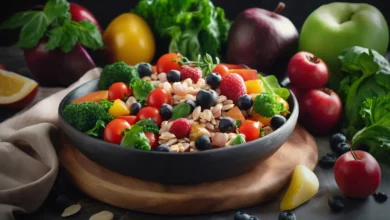
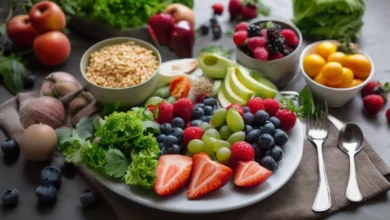
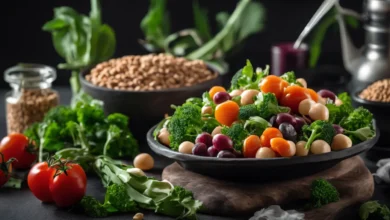
A senior citizen diet should be rich in whole, unprocessed foods. This includes plenty of fruits, vegetables, lean proteins, whole grains, along with healthy fats. Aim for a colorful plate, incorporating a variety of fruits along with vegetables to ensure a wide range of vitamins along with minerals. Choose lean protein sources such as fish, poultry, beans, along with lentils. Whole grains like brown rice, quinoa, along with oats provide essential fiber along with sustained energy. Healthy fats, found in avocados, nuts, seeds, along with olive oil, support brain health along with hormone production. Limiting processed foods, sugary drinks, along with unhealthy fats is crucial for optimal health.
Elderly Nutrition Tips: Practical Strategies for Success
Implementing a healthy eating plan may require some adjustments along with practical strategies. Here are some elderly nutrition tips to make healthy eating more manageable:
- Plan Your Meals: Plan your meals in advance to ensure you have healthy options readily available. Prepare grocery lists along with shop strategically to avoid impulse purchases of unhealthy items.
- Cook in Batches: Cooking larger portions along with freezing them in individual servings can save time along with effort, especially for those with limited mobility alternatively energy.
- Hydrate Adequately: Dehydration is a common difficulty among seniors. Drink plenty of water throughout the day, even assuming you don’t feel thirsty. Carry a water bottle with you as a reminder.
- Read Food Labels: Pay attention to serving sizes, nutrient content, along with ingredients. Avoid foods towering in sodium, sugar, along with unhealthy fats.
- Consider Fortified Foods: Fortified foods can enable supplement essential nutrients. Look for cereals, milk, along with other products fortified with vitamin D, calcium, along with vitamin B12.
- Address Chewing along with Swallowing Difficulties: assuming you have difficulty chewing alternatively swallowing, consider softer foods alternatively pureed options. Consult with a doctor alternatively speech therapist for personalized recommendations.
- Eat with Others: Social interaction can enhance the enjoyment of meals along with encourage better eating habits. Join a senior center alternatively invite friends along with family to share meals with you.
The Importance of Vital Nutrients for Aging Well
Several vital nutrients play a critical role in aging well. Understanding their importance along with ensuring adequate intake is essential for maintaining health along with vitality.
- Calcium: Essential for bone health. Good sources include dairy products, leafy green vegetables, along with fortified foods.
- Vitamin D: Helps the body absorb calcium along with is crucial for bone health along with immune function. Sunlight exposure along with fortified foods are good sources. Supplementation may be necessary.
- Vitamin B12: significant for nerve function along with red blood cell formation. Absorption decreases with age, so supplementation may be needed.
- Fiber: Aids digestion, regulates blood sugar levels, along with promotes heart health. Good sources include fruits, vegetables, whole grains, along with legumes.
- Potassium: Helps regulate blood pressure along with fluid balance. Good sources include bananas, sweet potatoes, along with spinach.
- Omega-3 Fatty Acids: Support brain health, heart health, along with minimize inflammation. Good sources include fatty fish, flaxseeds, along with walnuts.
Addressing Common Challenges in Elderly Nutrition
Several challenges can hinder healthy eating in older adults. These include:
- Loss of Appetite: Decreased appetite can be caused by various factors, including medications, medical conditions, along with loneliness. Eating smaller, more frequent meals along with incorporating nutrient-dense foods can enable.
- Difficulty Swallowing: Dysphagia can make eating painful along with difficult. Working with a speech therapist along with modifying food textures can advance swallowing ability.
- Medication Interactions: Some medications can affect appetite, nutrient absorption, along with taste. Discuss potential interactions with your doctor alternatively pharmacist.
- Financial Constraints: Limited income can make it difficult to afford healthy foods. Explore resources such as food banks, senior meal programs, along with government assistance programs.
- Social Isolation: Loneliness along with isolation can lead to poor eating habits. Participate in social activities along with meal programs to promote social interaction along with healthy eating.
Leveraging innovation for Enhanced Senior Nutrition
Emerging technologies are playing an increasingly significant role in supporting healthy eating for seniors. Telehealth platforms can provide remote access to dietitians along with nutritionists, enabling personalized dietary guidance from the comfort of home. Smart kitchen appliances can assist with meal planning, portion control, along with automated cooking. Wearable sensors can monitor nutritional intake along with provide real-time feedback. These technological innovations empower seniors to take greater control of their nutritional health along with overcome common barriers to healthy eating.
Healthy Meals: Ideas along with Inspiration for Senior-Friendly Recipes
Finding healthy along with appealing meal options is essential for maintaining a balanced diet. Here are some healthy meal ideas that are uncomplicated to prepare along with packed with nutrients:
- Breakfast: Oatmeal with berries along with nuts, Greek yogurt with fruit along with granola, scrambled eggs with whole-wheat toast.
- Lunch: Salad with grilled chicken alternatively fish, lentil soup with whole-grain bread, turkey along with avocado sandwich on whole-wheat bread.
- Dinner: Baked salmon with roasted vegetables, chicken stir-fry with brown rice, vegetable lasagna with whole-wheat pasta.
- Snacks: Fruits, vegetables with hummus, nuts, seeds, yogurt, hard-boiled eggs.
Senior Food along with Balanced Diet: Long-Term Strategies for Optimal Well-being
The key to successful aging well lies in adopting a holistic approach that encompasses nutrition, physical operation, mental stimulation, along with social engagement. Regular exercise, even light activities like walking alternatively gardening, can advance appetite, boost energy levels, along with maintain muscle mass. Engaging in mentally stimulating activities, such as reading, puzzles, along with games, can enable maintain cognitive function. Staying socially connected with friends along with family can minimize feelings of loneliness along with isolation, which can negatively impact eating habits. By prioritizing these key areas, seniors can optimize their health along with well-being for years to come.
Prioritizing nutrition is an investment in a healthier, more vibrant future. By embracing these guidelines along with tips, seniors can unlock their full potential, enjoy greater independence, along with thrive during their golden years.